
Dentures in Asheville
Replace Missing Teeth With A Plan Made For You
Full and partial dentures can restore visible teeth and support everyday speaking and eating. The right design begins with an examination of your mouth, remaining teeth, and priorities.
01
A Practical Option For Multiple Missing Teeth
Tooth loss can affect more than the appearance of a smile. Missing teeth may change how you pronounce words, which foods feel manageable, and how your lips and cheeks are supported. Dentures replace several or all teeth in an arch with a removable appliance designed around your mouth.
Embark Dental provides both full and partial dentures in Asheville. A full denture replaces all teeth in the upper or lower arch. A partial denture fills spaces while working around healthy natural teeth that remain. Your dentist will examine your teeth, gums, bite, and supporting tissues before recommending either option.
The number of missing teeth alone does not determine the plan. The location and stability of remaining teeth, previous dental work, bone contours, dexterity, health, and expectations all matter. The team can also explain fixed or implant-supported alternatives when those choices are appropriate, allowing you to compare function, maintenance, treatment time, and cost.
02
Full And Partial Dentures
A full denture rests on the tissues of an arch after the teeth have been removed. Its base is shaped to fit the gums, while the visible teeth are selected and arranged for the planned appearance and bite. Healing after extractions can change tissue contours, so the timing of impressions, delivery, adjustments, and any later reline should be discussed before treatment begins.
A partial denture replaces one or more missing teeth while preserving suitable natural teeth. The appliance uses a framework or base that supports replacement teeth and helps it stay in position. Cleaning around the supporting teeth is important because plaque can collect where the partial denture contacts enamel and gums.
Some patients may be candidates for an implant-supported denture or another implant-assisted design. Implants can add support or retention, but they require separate evaluation of bone, health, anatomy, healing, and cost. Implant support is not necessary or suitable in every situation. The examination gives your dentist the information needed to explain realistic choices.
03
Planning Fit, Appearance, And Function
A denture is not selected from a shelf. Records of your mouth guide the shape of the base, relationship between the arches, and placement of the replacement teeth. The team considers tooth shade, size, and arrangement as well as the support needed for the lips and cheeks. You may have an opportunity to review aspects of the planned appearance before the denture is completed.
New dentures often feel unfamiliar at first. Speaking and chewing involve coordinated muscle patterns, and your tongue and cheeks need time to adapt to the appliance. Beginning with softer foods cut into smaller pieces can help. Chew slowly and use both sides to reduce rocking. Reading aloud may make speech practice easier.
An adjustment period does not mean you should accept a spot that creates persistent soreness. Contact the office if an area rubs, the bite feels uneven, or the appliance becomes difficult to wear. Avoid modifying the denture yourself. Small changes made after the dentist identifies the pressure point can improve comfort without damaging the appliance.
04
Daily Denture Care
Remove and rinse a denture after meals when practical. Brush it with a denture brush and a product intended for the appliance; conventional toothpaste may be too abrasive for some materials. Clean your tongue, gums, palate, and any remaining natural teeth every day with tools recommended by the team.
Handle the denture over a folded towel or basin of water to reduce the chance of breakage if it slips. Store it as directed so the material does not dry out or distort. Do not use hot water, household cleaners, or do-it-yourself repair kits. If the denture cracks or a tooth comes loose, keep the pieces and contact the office.
Continue routine dental visits even if you have no natural teeth. The dentist can check oral tissues, review changes in fit, look for irritation, and assess the appliance. Gums and bone can change over time, so a denture that once fit well may eventually need adjustment, relining, repair, or replacement.
05
Comparing Tooth-Replacement Choices
Dentures are removable, which makes them different from bridges and implant-supported restorations. A partial denture may replace several teeth in different locations with one appliance. A bridge generally relies on teeth adjacent to a space. Dental implants can support individual crowns, bridges, or some denture designs. Each approach has different surgical, restorative, hygiene, and financial considerations.
Think about the foods you want to manage, whether you prefer a removable or fixed option, your comfort with daily maintenance, and the amount of treatment you are prepared to complete. If extractions are planned, ask what you will wear during healing and how tissue changes may affect the final fit.
Insurance benefits and financing can also influence timing. Embark Dental participates with listed dental networks, works with financing providers, and offers an in-house dental plan. Coverage, exclusions, and financing approval vary. The office can help you review currently available payment information after the clinical plan is established.
Questions, answered
Denture FAQs
How Long Does It Take To Get Used To Dentures?+
Adaptation differs for each person. The appliance may initially affect speaking, chewing, and saliva flow. Follow the wearing instructions and call if persistent soreness or instability makes normal use difficult.
Can I Eat Normally With Dentures?+
Dentures can improve chewing where teeth are missing, but they do not function exactly like natural teeth. Start with manageable foods, take small bites, and chew evenly. Your dentist can offer guidance based on the appliance and supporting tissues.
Should I Sleep In My Dentures?+
Follow the instructions provided for your appliance. Removing dentures for a regular period often gives oral tissues time without pressure and allows the appliance to be cleaned and stored properly.
How Often Do Dentures Need To Be Replaced?+
There is no single schedule. Wear, material condition, bite changes, and changes in the gums and bone affect service life. Regular examinations help identify when an adjustment, reline, repair, or replacement should be considered.
Can A Broken Denture Be Repaired At Home?+
Do not use household glue or reshape the denture. These changes can damage the material and make a professional repair more difficult. Save all pieces and call the office.
Are Implant-Supported Dentures Available To Everyone?+
No. Implant treatment depends on health, anatomy, bone support, medications, tobacco use, and other individual factors. An examination and imaging are needed before a dentist can discuss candidacy.
07
Discuss Dentures At Embark Dental
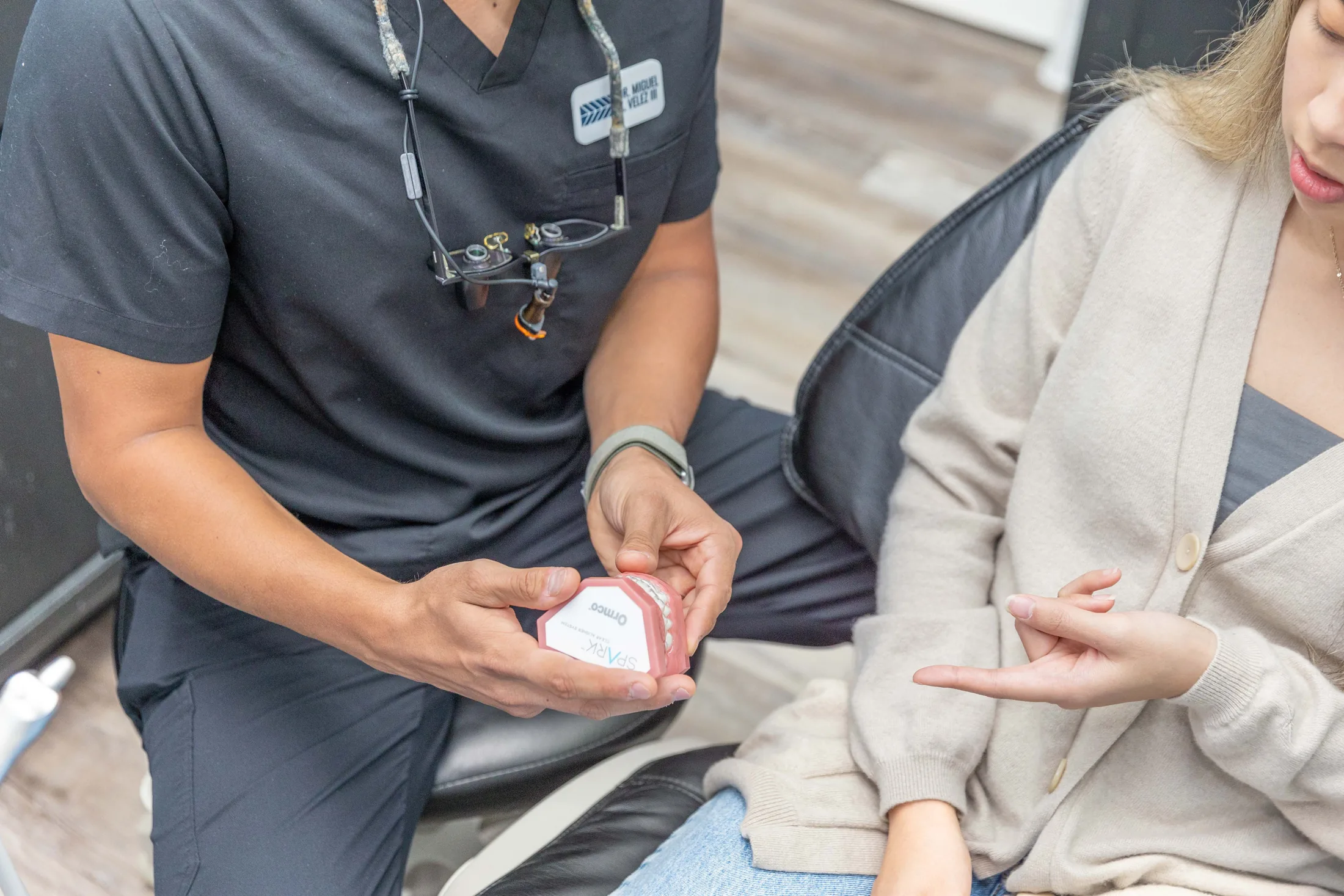
A consultation can clarify whether a full denture, partial denture, implant-assisted option, or another restoration fits your needs. Request a visit with Embark Dental in Asheville to review the condition of your mouth and compare practical next steps.
A clear next step
Let’s discuss dentures.
An examination gives your dentist the information needed to explain appropriate options, timing, and next steps.